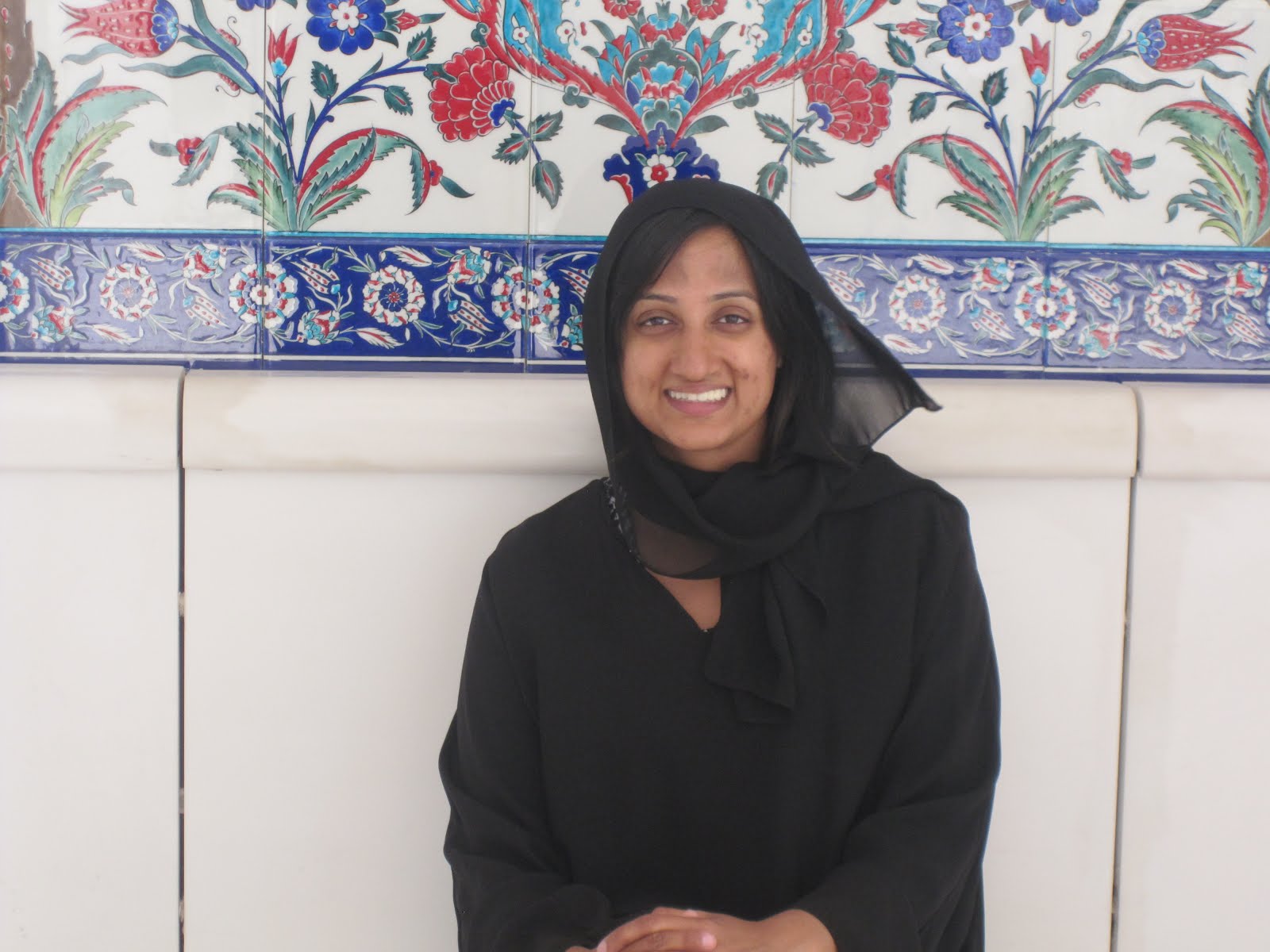
Sheikh Zayed Grand Mosque, in Abu Dhabi is by far one of the most beautiful religious structures I have ever seen. I learned a lot about this place on my tour. Built in the late 1990s and opened to visitors in 2207, the Mosque has approximately 1,000 columns in its outer areas which are clad with more than 20,000 marble panels inlaid with semi-precious stones, including lapis lazuli, red agate, amethyst, abalone shell and mother of pearl. Not to mention a 9.5 ton chandelier! Materials for the building of the mosque came from all over the world, and the inside represents a very ornate floral design. One notable thing about the mosque is the prayer clock (shown below) which changes the times of prayer automatically every day based on the sun's position. Women have to wear an abaya for entry and mine was HUGE, so I tripped often during my visit :)
Wednesday, March 7, 2012
Abu Dhabi Day- Ferrari World, Emirates Palace, The Corniche
The capital of the United Arab Emirates, Abu Dhabi, makes up over 80% of its landmass.
The population is over 1.6 million. The "Father of the UAE", Shiekh Zayed, was the first ruler of Abu Dhabi. He was only 28 when he assumed the throne, and took the UAE from a fishing town to the tourist destination it is today. On my visit to my neighboring emirate, I stopped by Ferarri World, a theme park with rollercoasters based around a Ferrari theme. I also had lunch at Emirates Palace, an incredible luxury hotel made to look like a royal palace. Finally, I took a walk on the Corniche, or coastline, with its beautiful views, cafes, and canopies.

Friday, February 24, 2012
Hatta- The Falaj
I am now in LOVE with dates, as I eat them everyday here in the Arabian Peninsula. As one of the only native fruits that grow here in the UAE, and they have a truly incredible story. The female Arabian Date Palm tree produces about 190 kg of dates each year. They are grown in a falaj, which is a interlocking system of canals that are used to get water to every tree on the farm. The way the water is channeled causes the trees to sometimes grow in interesting positions, as you can see in the pictures.
The Arabian Date Palm trees need about 70 liters of water every two days in the summertime to survive. The dates they produces are about 70% sugar and contain lots of nutrients, making them ideal for Muslims to use when breaking their fast during Ramadan.
Hatta
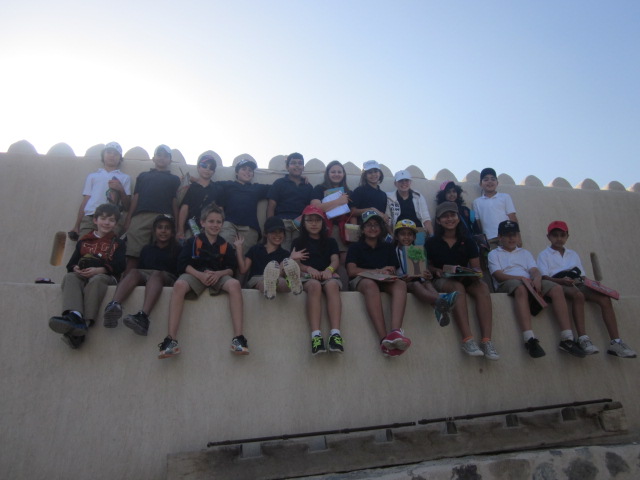
Last week, I took 60 fifth-grade students to Hatta, on the border of the United Arab Emirates and Oman.Hatta, an enclave of Dubai emirate, is in the middle of the Hajar Mountain range. It has amazing sand dunes and is basically isolated in the desert. Tiny Hatta was once an important source of tobacco, as well as a vital staging post on the trade route between Dubai and Oman.
We stayed at the Hatta Fort Hotel, and did lots of exploring through the Hajar mountains. Our explorations including finding Arabian toads, visiting a traditional falaj, or Arabian Date Palm Farm, and looking for fossils of ancient mollusks (also known as Gastropods) in the desert. We also had an Arabic themed dinner, in which we all dressed up in traditional garb. It was a truly amazing field trip, and I was reminded how wonderful our students actually are!
Dont worry, I do NOT dress like this all the time!
Me and the Hajar Mountains
Hard to see- but this is a small Arabian toad that just morphed from the Tadpole stage
Another good shot of the Hajar Mountains
Awesome Kiddos! :)
The Fish Souk
My friends and I visited the fish souk, where there is a weekly spread of every kind of fish you can imagine! Located in Diera, the fish souk According to GulfNews, 1400 tons of fish are sold in the UAE every year. We went around 5pm on a Friday evening, and bought some dried shark, octopus, and red snapper. We then made a delicious meal to celebrate making it out of the stinky and somewhat slimy fish market alive! :)
Friday, January 27, 2012
The Palm Jumeirah
One of the most famous parts of the "skyline" of Dubai is a group of man made islands in the shape of a palm. The Palm Jumeirah is home to many prominent and wealthy members of society, as well as several beautiful hotels. The most famous hotel is Atlantis, which houses a number of restaurants, a water park, and an aquarium. I took a drive out on the Palm to see the sights!
May The Best Camel Win...
Last weekend, I drove 45 minutes outside of the city to visit the camel racetrack by Al Ain. Currently, there are approximately 14,000 active racing camels in the UAE. The local Emirati population and the highest levels of society belong to the Dubai Camel Racing Club. Camel jockeys in the past were young boys between the ages of 6 and 7, which obviously incited complaints from the international community. So now, there are little robotic jockeys in the form of colored boxes that sit atop the camels "holding" whips that operate at regular intervals! I also managed to see the camel market, where the owners buy their camel supplies (pictured here are workers uncovering a mountain of greens for the camels to eat.) The races only take place at 7:30am on weekends...but it is worth getting up early for such an amazing sight!
The Souks- An Afternoon downtown
I went to Bur Dubai, the old and more traditional part of the city, to explore the Gold Souk and the Spice Souk. The word "souk" means market in Arabic. The spice souk sells cloves, cardamom, cinnamon, incense amongst many others, and the gold souk has the most glittery yellow gold necklaces I have ever seen in my life


Sunday, January 8, 2012
Christmas in India
Dubai Beach Day!
One of the best things about living in Dubai is my proximity to the beach! Though I don't see it everyday, it is a great stress-buster to spend some time by the water. These pictures were taken at Jumeirah Beach, where there was a kite surfing competition going on right around sunset :) This beach is right next to the Burj Al Arab, the famous sail-shaped hotel pictured below.
Subscribe to:
Posts (Atom)